When your air conditioner stops working during a South Florida afternoon, the house can become uncomfortable fast. This emergency AC guide explains what to do in the first few minutes, which warning signs mean you should shut the system down, and when it is time to call for professional help. A quick, calm response can protect your comfort, prevent additional equipment damage, and keep a small problem from becoming a larger repair.
Emergency AC Guide: Start With Safety
An AC breakdown is usually an urgent comfort problem, but a few situations are genuine safety concerns. If you smell burning, see smoke, hear loud electrical buzzing, or notice sparks near the indoor unit, outdoor unit, electrical panel, or thermostat, turn the system off at the thermostat if you can do so safely. Do not continue resetting breakers or trying to restart the equipment.
If there is active smoke or fire, leave the property and call 911. For a suspected electrical issue without smoke, keep people away from the equipment and contact an emergency HVAC professional. Water near electrical components is another reason to stop using the system. Do not operate an air conditioner that has been exposed to flooding or standing water until it has been inspected.
Most AC failures are not dangerous, but they still deserve prompt attention in Florida’s heat and humidity. Young children, older adults, pets, and anyone with certain medical conditions can be especially sensitive to excessive indoor temperatures. Move to a cooler area of the home if possible, close blinds against direct sunlight, drink water, and avoid using heat-producing appliances until cooling is restored.
Check These Simple Items Before You Call
A few basic checks may identify an easy-to-resolve issue. They can also give the technician useful information before the visit. Start at the thermostat. Make sure it is set to Cool, the temperature setting is below the current room temperature, and the fan is set to Auto rather than On. A fan set to On may keep blowing room-temperature air between cooling cycles, which can make it seem as though the AC has failed.
Next, check the electrical panel for a tripped breaker. If the AC breaker has tripped once, you may reset it one time. If it trips again, leave it off. A repeatedly tripping breaker can point to an electrical, compressor, blower, or wiring problem. Repeated resets can damage equipment and create a more serious hazard.
Look at the air filter as well. A heavily clogged filter restricts airflow, strains the system, and can contribute to a frozen evaporator coil. If the filter is visibly dirty and you have the correct replacement, install a clean one. Do not run the system without a filter, even temporarily. That can pull dust and debris into sensitive components.
Finally, look at the outdoor unit from a safe distance. Leaves, grass clippings, or stored items crowding the condenser can limit airflow. Clear loose debris around the unit, but do not remove panels, reach inside, or spray electrical areas with a hose. The outdoor fan and internal components should be handled by a trained technician.
What Different AC Symptoms Can Mean
The symptoms you notice matter. An AC that is running but not cooling may have an airflow problem, a dirty coil, a thermostat issue, a refrigerant leak, or a failing component. Because several issues can produce the same symptom, guessing at a repair often wastes time and can make the problem worse.
Weak airflow from every vent can indicate a clogged filter, blower issue, duct problem, or frozen indoor coil. Weak airflow in only one or two rooms may be related to ductwork, closed registers, zoning, or a localized blockage. Leave supply vents open during normal operation. Closing too many vents does not save energy and can create airflow problems.
Ice on the refrigerant line or indoor unit is a reason to turn cooling off. Set the thermostat fan to On only if air is moving normally, which may help the system thaw, but do not keep asking the compressor to run. A frozen system needs diagnosis after it has thawed. Low refrigerant, restricted airflow, and dirty coils are common causes, and simply adding refrigerant without finding a leak is not a lasting solution.
Water around the indoor unit needs attention, too. A small amount of condensation is normal inside the system, but water on the floor may signal a clogged condensate drain, damaged drain pan, or frozen coil. Turn the AC off if water is approaching electrical equipment, flooring, drywall, or belongings. Prompt service can help limit water damage and address the cause rather than just the puddle.
Unusual sounds should not be ignored. Rattling can be as simple as a loose panel, while grinding, screeching, or hard banging may indicate a failing motor, compressor issue, or loose internal part. Shut the system down if the noise is loud, persistent, or worsening.
Avoid These Emergency AC Mistakes
When the home is heating up, it is tempting to try anything that might bring cool air back. That is where costly mistakes happen. Do not keep turning the thermostat lower and lower. Your AC does not cool faster at an extreme setting. It will simply run longer, potentially adding stress to an already struggling system.
Avoid opening equipment panels or attempting electrical repairs yourself. Modern air-conditioning systems contain high-voltage components and refrigerant that require proper tools, training, and licensing to service safely. Store-bought sealants, refrigerant products, and improvised drain-cleaning methods can complicate a professional repair.
It is also wise not to ignore the problem overnight if the system is producing burning smells, leaking water, freezing up, or tripping breakers. Waiting can be reasonable for a minor comfort issue when the home remains safe, but it depends on the symptoms, the indoor temperature, who is in the property, and the risk of further damage. When in doubt, call for guidance.
What to Tell the Emergency AC Technician
A clear description helps speed up diagnosis. Before calling, note when the problem started, whether the system is completely off or still blowing air, and whether the air feels warm, weak, or intermittent. Mention any noises, odors, ice, water leaks, error messages, or breaker trips.
It also helps to share recent changes. Perhaps the system was serviced recently, a new thermostat was installed, landscaping work occurred near the outdoor unit, or the home lost power during a storm. If you have changed the filter, tell the technician when and what size was used. These details can shorten the troubleshooting process and help the service visit start on the right track.
For homes with a vacation schedule or rental guests, arrange safe access and let the technician know if anyone is especially vulnerable to heat. Commercial property managers should report whether the failure affects customer areas, server rooms, inventory, or occupied offices so the response can be prioritized appropriately.
When to Call for 24/7 AC Repair
Call for emergency service when the AC failure creates a health, safety, electrical, or water-damage concern. That includes no cooling during dangerous heat, burning odors, repeated breaker trips, a major water leak, ice buildup, loud mechanical noises, or a complete system shutdown affecting vulnerable occupants.
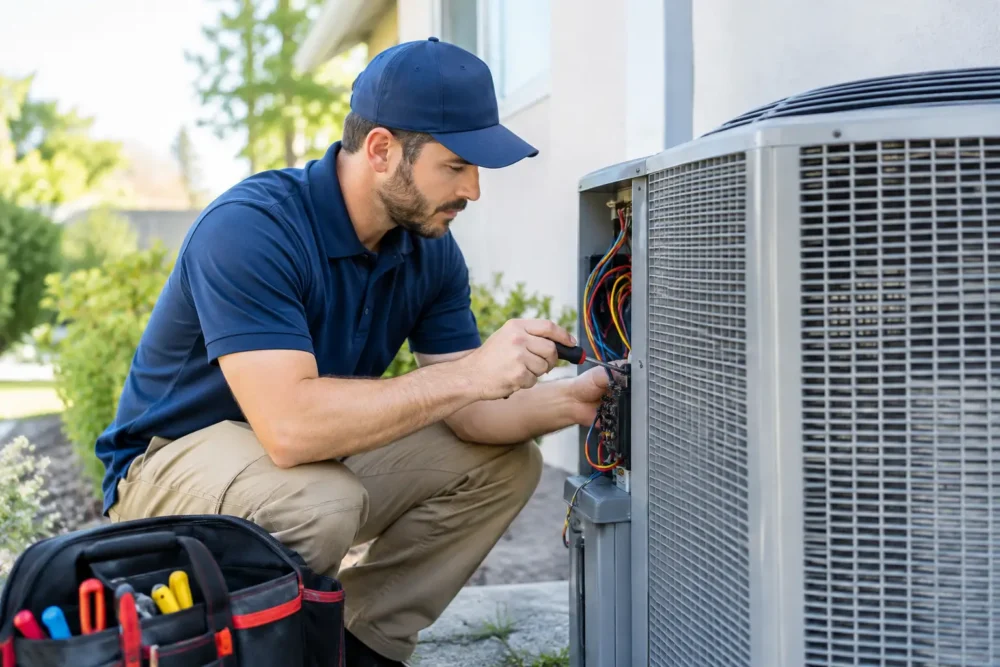
Treasure Coast Air Conditioning provides 24/7 emergency response and prompt same-day service for homeowners and businesses throughout the Treasure Coast. A fully stocked service vehicle and an experienced technician can make a meaningful difference when the goal is to restore safe, dependable cooling as quickly as possible.
For less urgent concerns, scheduling service soon is still the smart move. An AC that cycles constantly, takes longer to cool, makes new noises, or produces uneven temperatures may still be operating, but those warning signs rarely improve on their own. Early repair can often prevent a sudden breakdown during the hottest part of the season.
Prepare for the Next AC Emergency
The best emergency plan begins before the system fails. Change filters on schedule, keep the outdoor unit clear, and arrange preventive maintenance before heavy cooling season. Maintenance gives a technician the opportunity to check electrical connections, condensate drainage, airflow, refrigerant performance, and worn parts before they interrupt your day.
If your system is more than 10 years old and repairs are becoming frequent, ask about replacement options before an emergency forces the decision. A properly sized, energy-efficient system can improve comfort, manage humidity, and provide more predictable operating costs. The right choice depends on your home’s layout, ductwork, insulation, budget, and long-term plans for the property.
A broken AC does not have to become a household crisis. Stay safe, avoid risky DIY fixes, and get qualified help when warning signs appear. Fast action today can help protect the comfort you count on tomorrow.