
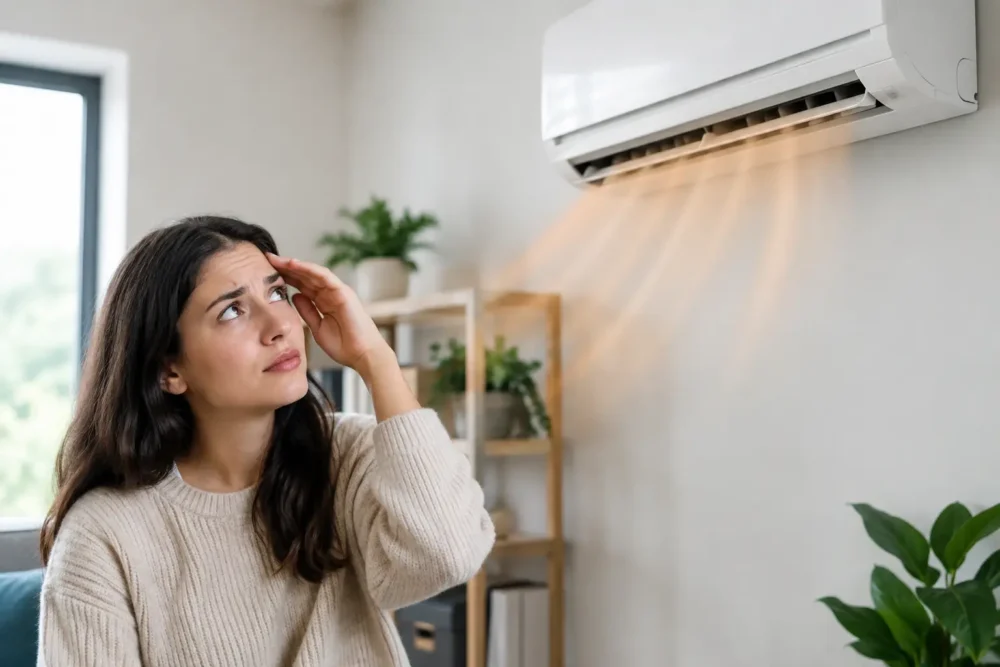
A Florida AC that suddenly feels warm is more than an inconvenience. Heat and humidity can build quickly inside a home, rental, office, or retail space. If you are asking, why is my air conditioner blowing warm air, the answer may be as simple as a thermostat setting or air filter. It can also point to an electrical, airflow, refrigerant, or equipment issue that needs prompt professional attention.
Before assuming your system has failed, start with a few safe checks. Then, if the air is still warm or the system is making unusual noises, turn it off and schedule service. Running a struggling air conditioner can turn a manageable repair into a larger one.
Why Is My Air Conditioner Blowing Warm Air? Common Causes
Your air conditioner cools by moving heat from inside your property to the outdoors. When one part of that process is interrupted, the system may keep running while delivering room-temperature or warm air through the vents.
The thermostat is set incorrectly
This is the best place to begin. Make sure the thermostat is set to Cool, not Heat or Fan Only. Set the temperature several degrees below the current indoor temperature, then wait a few minutes to see whether cool air begins flowing.
Also check the fan setting. When the fan is set to On, it runs continuously, even when the cooling cycle is not active. That can make it seem as though the AC is blowing warm air between cooling cycles. Setting the fan to Auto lets it run only while the system is actively cooling.
If you have a smart thermostat, a schedule, mode change, power issue, or disconnected setting may be involved. A technician can help diagnose thermostat problems without guessing at the system itself.
A dirty air filter is restricting airflow
A clogged filter limits the air moving across the indoor evaporator coil. Over time, that coil can become too cold and freeze, stopping the system from cooling properly. You may notice weak airflow, longer run times, ice around the indoor unit, or water near the air handler after the ice melts.
Check the filter if it is accessible and replace it if it is visibly dirty. In Treasure Coast homes, filters often need attention more frequently than homeowners expect because the AC works hard for much of the year. Use the correct filter size and type for your system. A filter that is overly restrictive can create airflow problems too.
If the coil is frozen, turn the cooling system off and set the fan to Auto. Do not chip or scrape ice from the equipment. A frozen coil can be caused by more than a dirty filter, including low refrigerant or a blower problem, so it should be inspected if it happens again.
The outdoor unit has lost power
Your indoor blower can continue pushing air through the vents even if the outdoor condenser is not operating. Since the outdoor unit releases heat from the home, losing it means the air coming inside will not be cooled.
Look for a tripped breaker in your electrical panel. If it has tripped once, you can reset it once. If it trips again, leave it off and call for service. Repeated breaker trips may signal a failing capacitor, damaged wiring, compressor problem, or another electrical fault. Resetting it repeatedly is not a repair and can create a safety risk.
You can also look from a safe distance to see whether the outdoor unit is running. If it is silent while the indoor system is on, professional diagnosis is the right next step.
The condenser is blocked or dirty
The outdoor condenser needs open airflow to release heat. Grass clippings, leaves, palm debris, salt air buildup, and overgrown landscaping can interfere with that process. A unit that cannot shed heat efficiently may run constantly and still blow warm air indoors.
Keep at least two feet of clear space around the condenser and avoid stacking items against it. Do not use a pressure washer on the delicate coil fins, and do not remove electrical panels to clean internal components. Routine professional maintenance includes cleaning the outdoor coil safely and checking the equipment’s performance under load.
Refrigerant may be low because of a leak
Refrigerant is not fuel that an air conditioner normally uses up. If levels are low, there is usually a leak somewhere in the system. Low refrigerant prevents the AC from absorbing enough heat indoors, causing poor cooling, frozen coils, higher electric bills, and excessive wear on the compressor.
This is not a do-it-yourself repair. Simply adding refrigerant without finding the leak may provide temporary relief, but it does not fix the reason the system lost refrigerant. A licensed HVAC technician should locate the leak, explain the repair options, and verify that the system is cooling correctly afterward.
A failed capacitor, contactor, or compressor is stopping cooling
Air conditioners rely on several electrical and mechanical components to start and run the outdoor equipment. A failing capacitor may cause a humming sound, delayed starts, or a condenser fan that will not run. A worn contactor can prevent the unit from receiving power. Compressor problems can range from repairable electrical issues to a serious system failure.
These problems can produce similar symptoms, which is why accurate testing matters. Replacing parts based only on a sound or a quick visual check can lead to unnecessary expense. An experienced technician can test the components, identify the true cause, and help you weigh repair versus replacement when the system is older or facing a major component failure.
Ductwork or airflow problems are affecting certain rooms
If some vents blow cool air while others are warm, the issue may be related to ducts, dampers, insulation, or airflow balance. Leaking ductwork in a hot attic can pull in warm, humid air before it reaches living spaces. A disconnected duct can waste a large amount of cooled air where you cannot see it.
Closed or blocked vents, a failing blower motor, and dirty indoor coils can also reduce airflow. Avoid closing too many supply vents in an effort to force more air into another room. Central AC systems are designed for balanced airflow, and restricting multiple vents can increase pressure in the duct system.
Safe Steps to Take Before You Call
Start by confirming the thermostat is on Cool and the fan is set to Auto. Replace a dirty filter, make sure return vents are not blocked by furniture, and check whether the outdoor unit is running. Clear loose leaves or debris from around the condenser, but keep hands, tools, and water away from electrical components.
If you see ice, smell burning, hear loud grinding or buzzing, notice water pooling, or find that a breaker keeps tripping, turn the system off. These signs call for professional service rather than more troubleshooting. For households with young children, older adults, pets, or anyone sensitive to heat, do not wait for conditions indoors to become unsafe.
When Warm Air Means It Is Time for AC Repair
Call for service when basic settings and a clean filter do not restore cooling within a short time. The same applies when your AC cycles on and off rapidly, runs nonstop, makes unfamiliar noises, or cools only part of the property. In South Florida, waiting through a warm afternoon can quickly become an uncomfortable night, especially during high humidity or a summer heat spell.
A prompt repair visit can protect your comfort and limit further damage. Treasure Coast Air Conditioning has served local homes and businesses since 1990, with experienced technicians and 24/7 emergency response for urgent cooling problems throughout Martin and St. Lucie counties.
Preventing Another Warm-Air Surprise
Most warm-air calls are easier to prevent than to predict. Change filters regularly, keep the outdoor unit clear, and schedule preventive maintenance before the hottest part of the season. During maintenance, a technician can inspect electrical connections, clean coils, check drainage, measure refrigerant performance, and catch worn parts before they stop the system on a humid day.
If your AC is more than 10 years old and repairs are becoming frequent, replacement may be worth discussing. A repair can still make sense when the issue is minor and the equipment is otherwise reliable. But an aging system with a major leak, compressor issue, or repeated breakdowns may cost more to keep running than a properly sized, efficient replacement.
Comfort should not be a gamble when Florida weather is at its toughest. If warm air is coming from your vents and the simple checks do not solve it, arrange service early and give your system the professional attention it needs.