A Florida air conditioner does not get a true off-season. It may work hardest from late spring through early fall, but heat, humidity, salt air, and sudden storms can affect comfort all year. This seasonal home cooling guide helps homeowners and property managers protect their systems before a small issue becomes an uncomfortable, expensive breakdown.
For homes across the Treasure Coast, the goal is not simply cold air. It is steady cooling, healthy humidity levels, manageable energy bills, and an AC system that responds when your family, guests, tenants, or employees need it most.
Spring: Prepare Before the Heat Builds
Spring is the best time to give your cooling system attention because demand has not yet reached its summer peak. A system that seems fine on a mild April afternoon can struggle once temperatures and humidity climb. Preventive maintenance before the busiest season gives a technician the chance to spot worn electrical parts, drainage concerns, refrigerant problems, and airflow restrictions early.
Start with the filter. A dirty filter makes the system work harder to pull air through the return, which can reduce airflow and contribute to frozen coils, uneven temperatures, and higher utility bills. Most homes need a filter change every one to three months, although homes with pets, allergies, renovations, or frequent visitors may need more frequent changes. Use the filter size and type recommended for your system. A filter that is too restrictive can create its own airflow problem.
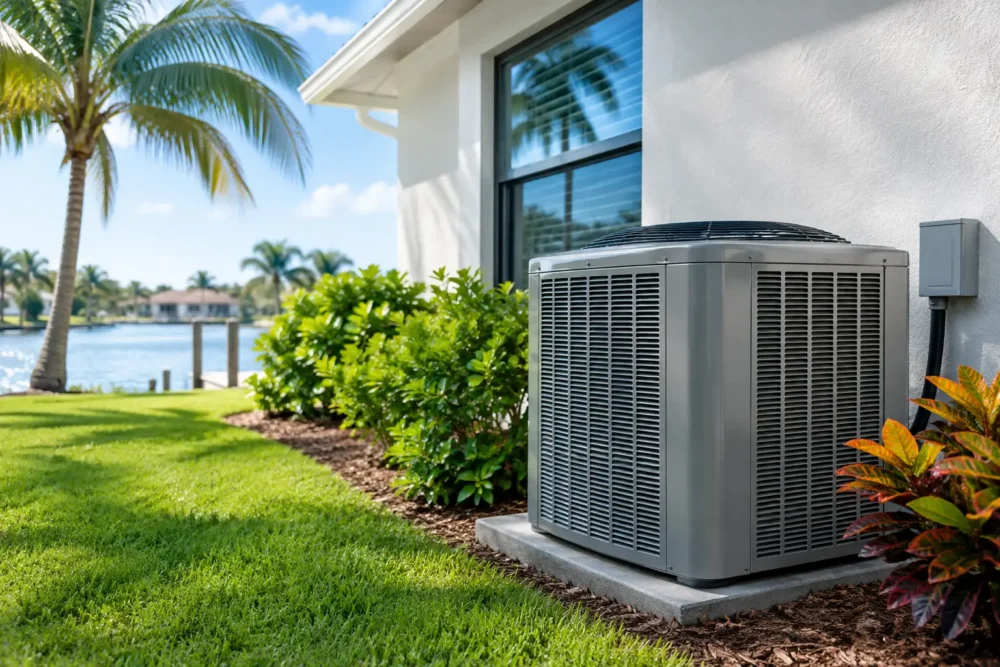
Walk outside and look at the condenser unit. Remove leaves, palm fronds, mulch, and other debris around it. Keep plants trimmed back so air can move freely through the unit. Do not spray or bend the delicate coil fins, and do not cover the equipment while it is operating. If the cabinet is damaged, unusually loud, or surrounded by standing water, schedule professional service.
Inside, test the thermostat before the first major heat wave. Set it a few degrees below the indoor temperature and confirm that cool air begins flowing within a reasonable time. If the thermostat screen is blank, temperatures are inaccurate, or the system cycles on and off repeatedly, address it now rather than waiting for a 90-degree day.
Why a spring tune-up matters
Professional maintenance is more than a quick visual check. A qualified technician can inspect electrical connections, measure operating performance, clean components that affect efficiency, check the condensate drain, and identify parts nearing failure. In South Florida, drain maintenance deserves special attention. Algae and buildup can clog a condensate line, causing water damage, system shutdowns, and unwanted humidity indoors.
Summer: Control Heat, Humidity, and AC Strain
Summer is when good habits make the biggest difference. Your AC is designed to run longer during extreme weather, especially in a humid climate. Constant short cycles, however, are not normal. They can point to thermostat issues, oversized equipment, airflow restrictions, or mechanical trouble.
Set your thermostat to a realistic temperature and leave it there as much as possible. For many households, 76 to 78 degrees provides a practical balance between comfort and energy use. Lowering the thermostat far below your normal setting will not cool the home faster. It only asks the equipment to run longer, which increases strain and may raise your bill.
Ceiling fans can help rooms feel more comfortable by moving air across the skin. They do not lower room temperature, so turn them off when a room is empty. Close blinds or curtains on sun-facing windows during the hottest part of the day, particularly in rooms with large glass doors or west-facing exposure. These simple steps reduce the heat entering your home and give the system a better chance to keep up.
Pay attention to humidity, not just the thermostat number. A home that feels clammy at 75 degrees may have an AC or ventilation issue. Signs of excess indoor humidity include musty odors, condensation on vents or windows, damp closets, and mold growth. Avoid turning the thermostat too high for long periods during summer, since the system needs adequate run time to remove moisture. If humidity remains high even when the AC runs, professional evaluation is the right next step.
Know when to call for AC repair
Some cooling problems should not wait. Call for service if the system blows warm air, trips a breaker, leaks water, makes grinding or burning-smell noises, freezes up, or cannot maintain a safe indoor temperature. Turn the system off if you see ice on the refrigerant line or indoor unit. Continuing to run a frozen system can cause additional damage.
For seniors, young children, pets, and anyone with health concerns, a cooling failure can become urgent quickly. Prompt same-day repair and 24/7 emergency response can make a major difference when Florida heat is at its worst.
Hurricane Season: Protect the Equipment and the Property
Storm preparation often focuses on windows, supplies, and evacuation plans, but your AC deserves a place on the checklist. Before a storm, clear loose items from around the outdoor unit. Patio furniture, branches, and yard debris can damage the condenser if winds pick up.
Do not wrap the condenser in plastic or a tightly sealed cover before a storm. Trapped moisture can encourage corrosion, and a cover can become loose in high winds. If your home has a manufacturer-approved protective cover designed for the unit, follow its instructions. Otherwise, focus on clearing the area and securing the property.
After a storm, inspect the area around the unit before restarting it. Look for standing water, damaged wiring, shifted equipment, or debris lodged in the coils. If floodwater reached the system, do not assume it is safe to run. Electrical components and contamination require professional inspection. If power has been out, wait for stable service before turning the system back on, and check that the thermostat settings are correct.
Fall: Catch Problems Hidden by Summer Use
Florida fall may still feel like summer, but it is a useful transition point. By then, your system has likely handled months of heavy runtime. If certain rooms stayed warmer than others, your energy bills rose sharply, or the unit sounded different during the season, do not ignore those clues just because the weather becomes slightly milder.
This is a smart time to assess the age and condition of the system. Air conditioners over 10 years old can still operate well with proper care, but repairs may become more frequent and efficiency may decline. Replacement is not always the answer. A newer system with a minor electrical or drainage issue may be worth repairing, while an older unit with a major compressor failure may make more financial sense to replace.
A professional can help compare repair cost, equipment condition, expected efficiency, and your plans for the property. This matters for year-round homes, rental properties, and seasonal residences alike. Financing options can also help make a necessary replacement more manageable when repair is no longer the practical choice.
Winter: Do Not Forget About Your AC
Cooler Florida weather can create the false impression that the air conditioner needs no attention. Yet winter is often when seasonal residents leave homes unattended, and humidity remains a concern even when temperatures are moderate. A vacant home that is allowed to become warm and damp can develop odors, moisture problems, and mold.
If you leave for part of the year, avoid shutting the AC off completely unless the property is being actively monitored and conditions allow it. A moderate thermostat setting, often around 78 degrees, can help protect furnishings and control humidity while limiting unnecessary runtime. The ideal setting depends on the home, insulation, occupancy, and whether a separate dehumidifier is in use.
Before leaving, install a clean filter, confirm that the condensate drain is clear, and make sure someone can check the home after major storms or power outages. Smart thermostat support can be especially helpful for owners who want to monitor temperatures remotely, but it does not replace regular maintenance or a prompt on-site response when something goes wrong.
A Seasonal Home Cooling Guide That Fits Real Life
The most effective cooling plan is consistent, not complicated: change filters on schedule, keep the outdoor unit clear, watch for changes in performance, and arrange maintenance before peak demand. Those steps cannot prevent every breakdown, but they give your system a better chance of delivering dependable comfort when Florida weather puts it to the test.
If your AC is struggling, making unusual noises, or leaving your home humid and uncomfortable, do not wait for the problem to grow. A skilled local technician can identify what is happening, explain the options clearly, and help restore the comfort your household depends on.