
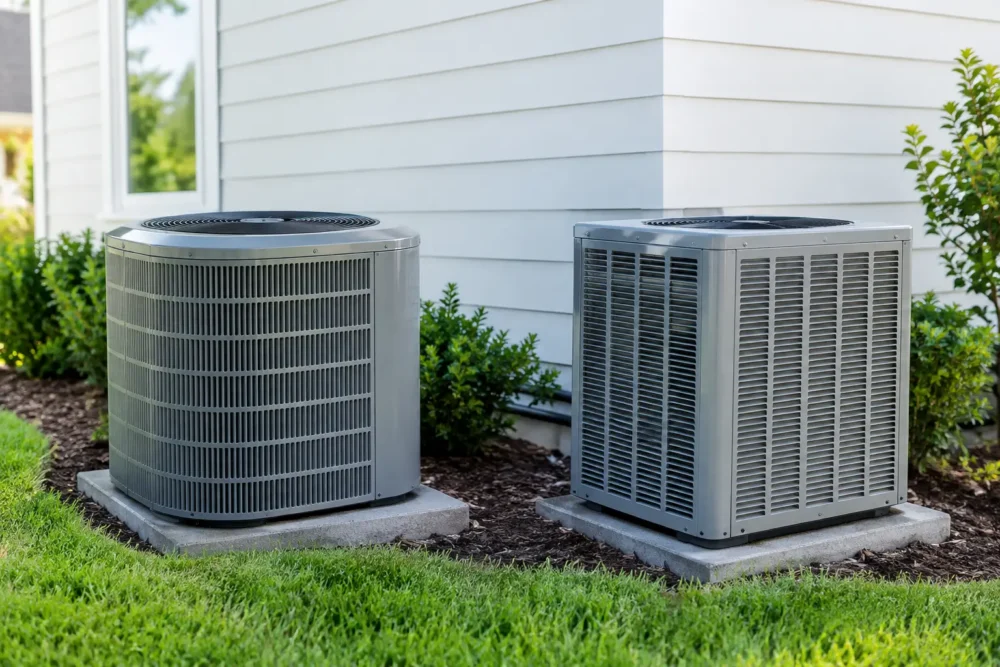
When an air conditioner runs hard all afternoon, then leaves the house cool but clammy, the problem may be more than an aging unit. The difference between variable speed versus single stage equipment can change how consistently your home cools, how well it manages South Florida humidity, and what you pay upfront and over time.
For homeowners replacing an older AC system, there is no one-size-fits-all answer. A single-stage system can be a dependable, budget-conscious choice. A variable-speed system can deliver a quieter, more even level of comfort, especially in homes where humidity is a constant battle. The right decision depends on your home, your comfort priorities, and the quality of the installation.
How Single-Stage Air Conditioners Work
A single-stage air conditioner has one operating speed: full power. When your thermostat senses that the indoor temperature has risen above the set point, the system turns on and runs at 100% capacity. Once it reaches the target temperature, it shuts off.
This is the traditional AC design, and it remains common for good reason. Single-stage systems are generally less expensive to purchase and have fewer advanced components. They can cool a properly sized home effectively, particularly when the equipment is installed correctly and maintained regularly.
The trade-off is that full-power operation can create more noticeable temperature swings. The system may cool the house quickly, shut off, and wait until the temperature rises again before restarting. On a hot Florida afternoon, that on-and-off pattern can make some rooms feel less consistent than others.
Humidity control can also be limited. Air conditioners remove moisture while they run, but a single-stage unit may satisfy the thermostat quickly and shut down before it has removed as much moisture as your home needs. The temperature may read correctly while the air still feels sticky.
How Variable-Speed Air Conditioners Work
A variable-speed system can adjust its output to match what your home needs at a given moment. Rather than operating only at full capacity, it may run at a lower speed for long periods and increase output when outdoor heat, indoor activity, or humidity demand it.
That longer, lower-speed operation is where many homeowners notice the difference. Instead of sharp cooling cycles, the system makes smaller adjustments to hold a steadier indoor temperature. It often runs quietly in the background rather than announcing every cycle with a strong rush of air.
Variable-speed equipment is also especially effective at moisture removal. Because it runs longer at lower capacity, it has more time to pull humidity from the indoor air. For homes in Stuart, Jensen Beach, Port St. Lucie, and other humid coastal areas, that can mean rooms feel more comfortable without having to set the thermostat lower.
A variable-speed air conditioner costs more upfront, however. It is more sophisticated equipment, and repairs can be more specialized if a component fails outside warranty coverage. Homeowners should weigh those costs against the potential gains in comfort, efficiency, and humidity control.
Variable Speed Versus Single Stage: The Everyday Difference
The easiest way to compare these systems is to think about the experience inside your home. A single-stage system is built to cool decisively. A variable-speed system is built to maintain comfort with more precision.
With a single-stage unit, you may feel cool air in stronger bursts as the system starts and stops. With a variable-speed unit, airflow is usually gentler and more consistent. That difference can be valuable in bedrooms, upstairs spaces, larger open floor plans, and homes where certain rooms regularly run warmer than others.
Noise is another practical consideration. Since a variable-speed system frequently operates at lower output, it is usually quieter indoors and outdoors. A single-stage unit can still operate at an acceptable sound level, but its full-capacity starts are naturally more noticeable.
Energy use depends on several factors, including the system’s efficiency rating, your thermostat settings, insulation, duct condition, and maintenance habits. Still, variable-speed systems can use less electricity over time because they avoid running at maximum output every time they cycle on. The savings are often most meaningful for households that use cooling heavily through long Florida summers.
Upfront Price, Operating Costs, and Value
Price often drives this decision, and it should be part of an honest conversation. A single-stage air conditioner usually has a lower installed cost. For a rental property, a home with limited cooling demands, or a homeowner who needs a reliable replacement on a tighter budget, it may be the sensible choice.
Variable-speed equipment usually requires a larger investment. The value is not limited to lower utility bills. It can also include steadier temperatures, better humidity control, quieter operation, and less strain from repeated full-power starts. For a primary residence where the AC runs most of the year, those benefits can matter every day.
It is also wise to consider how long you expect to own the property. If you plan to remain in your home for many years, the comfort and efficiency benefits of variable-speed equipment may carry more weight. If you expect to sell soon or are replacing equipment in a lightly used property, a quality single-stage system may provide the right balance.
Financing can help some homeowners choose equipment that better fits their long-term needs rather than selecting only by the lowest initial price. The key is to compare complete installed options, not just the price of the outdoor unit.
Installation Matters as Much as the Equipment
Even the best variable-speed air conditioner will disappoint if it is oversized, poorly installed, or connected to leaky, undersized ductwork. The same is true for a single-stage system. Equipment selection should begin with a professional evaluation of the home, not a quick guess based on the old unit’s size.
A properly designed replacement takes into account square footage, ceiling height, insulation, window exposure, duct condition, household occupancy, and local heat and humidity. In some homes, correcting airflow problems or sealing duct leaks can improve comfort as much as moving to a more advanced system.
The thermostat also matters. Variable-speed systems may work best with compatible controls that can communicate with the equipment and make small adjustments over time. If you use a smart thermostat, ask whether it will support the features of the system you are considering.
Regular maintenance protects either choice. Clean filters, clear drain lines, properly charged refrigerant, clean coils, and routine inspections help the system cool efficiently and reduce the risk of an inconvenient breakdown during the hottest part of the year.
Which System Fits Your Home?
A single-stage AC may be the better fit if dependable cooling, a lower initial investment, and straightforward operation are your main priorities. It can be an excellent solution when the home has sound ductwork, manageable humidity, and a correctly sized system.
A variable-speed AC may be worth the additional investment if you want stronger humidity control, quieter operation, more even room-to-room temperatures, and potential long-term energy savings. It is particularly worth discussing if your current home feels cool but damp, your system cycles frequently, or family members are sensitive to temperature changes and indoor air quality.
There is also a middle ground: two-stage equipment. It can operate at a lower setting most of the time and switch to full output when conditions require it. For some homeowners, it offers a practical balance between the price of single-stage equipment and the advanced comfort features of a variable-speed system.
The right answer should come from a clear assessment of your home and your goals, not a sales pitch for the most expensive option. Treasure Coast Air Conditioning can help homeowners compare properly sized choices and explain the real-world differences before replacement day. When your AC is nearing the end of its life, getting that guidance early gives you time to choose comfort that fits your household, your property, and your budget.