
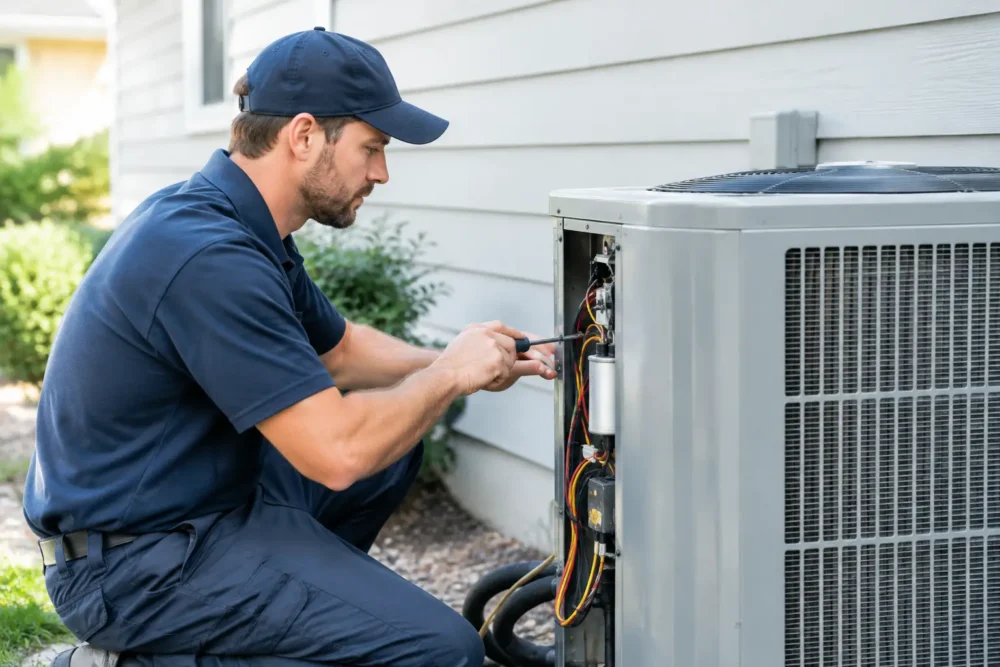
A broken air conditioner rarely picks a convenient time. In South Florida, a home can become hot and humid quickly, especially when the system stops during the afternoon or overnight. AC repair duration can range from a single service visit to a longer repair involving special-order parts, but a qualified technician should be able to explain the likely timeline after diagnosing the problem.
The goal is not simply to get cool air moving again. It is to identify the actual cause, make a dependable repair, and help prevent the same issue from interrupting your comfort next week. Here is what homeowners, seasonal residents, and property managers can realistically expect.
What Affects AC Repair Duration?
The clock starts with diagnosis. Many air-conditioning symptoms can point to more than one issue. For example, warm air may be caused by a thermostat setting, a clogged filter, a failed capacitor, low refrigerant, a damaged contactor, or a compressor problem. A professional technician needs time to inspect the equipment, test electrical components, check airflow, and confirm the source of the failure before recommending a repair.
Once the problem is clear, the main factors are the type of repair, access to the equipment, the availability of parts, and the overall condition of the system. A repair on an easily accessible outdoor unit may move much faster than work in a tight attic, rooftop location, or commercial mechanical room.
Age matters, too. Parts for newer, common systems are often readily available. Older equipment, discontinued models, or specialty commercial systems may require a part to be ordered. That does not always mean you will be without cooling for days, but it can change the repair plan and timeline.
Typical Repair Times for Common AC Problems
Many common repairs can be completed in one visit when the technician has the needed part on the truck. A dirty filter, clogged condensate drain line, thermostat issue, blown fuse, worn capacitor, or faulty contactor may take about an hour or two after diagnosis. These are often straightforward repairs, although water damage around a drain line or an electrical issue with multiple causes can add time.
Replacing a blower motor, condenser fan motor, evaporator coil component, or control board often takes several hours. The exact timing depends on the system design and whether wiring, mounting hardware, or related parts also need attention. A good repair professional will test the system after the work is complete rather than rushing out as soon as it turns on.
Refrigerant-related repairs can take longer because the technician must find and address the leak, not simply add refrigerant and leave. Adding refrigerant without correcting a leak can offer temporary relief, but it does not solve the underlying problem. Leak detection, repair, evacuation, and recharging must be handled carefully for dependable performance.
Major repairs involving a compressor or evaporator coil may require a follow-up appointment if the correct part is not immediately available. In some cases, especially with an aging system, the more practical decision may be replacement rather than investing heavily in a repair that could be followed by another failure.
When Can an AC Be Repaired the Same Day?
Same-day service is often possible for common breakdowns, particularly when you call early and the repair involves standard parts. Fully stocked service vehicles make a meaningful difference here. A technician who arrives prepared with frequently needed capacitors, contactors, fuses, drain-clearing equipment, and electrical supplies can often restore cooling without waiting for another trip.
Still, same-day repair is not a promise that every problem can be fixed immediately. If a unit needs a manufacturer-specific part, a special coil, or major electrical work, the honest answer may be that the repair will take longer. A trustworthy contractor will tell you what is happening, what part is needed, and what can be done in the meantime to protect your property and comfort.
For urgent failures, do not wait until the heat becomes unbearable. Call when you first notice warm air, weak airflow, unusual noises, water around the indoor unit, repeated cycling, or a thermostat that will not hold the temperature. Early service can sometimes turn a short repair into an even shorter visit.
The Difference Between Repair Time and Total Downtime
A repair may take two hours, while total downtime lasts longer because of scheduling, diagnosis, part sourcing, or system testing. This distinction is especially useful for vacation homes, rental properties, offices, and retail spaces where an AC failure affects more than one person.
If the system is running but struggling, the technician may recommend shutting it down to prevent further damage. Running an air conditioner with a frozen coil, failing motor, electrical smell, or refrigerant problem can turn a manageable repair into a more expensive one. In that situation, a few uncomfortable hours may be the better trade-off for protecting the equipment.
Humidity also changes the urgency. Air conditioning does more than lower the temperature. It helps remove moisture from indoor air. When cooling stops for an extended period, humidity can make rooms feel hotter, contribute to musty odors, and create concerns for furnishings, electronics, and indoor air quality.
How to Help Your AC Repair Go Faster
There are a few practical steps you can take before the technician arrives. First, make sure the thermostat is set to cool and the temperature setting is below the current indoor temperature. Check the breaker only if it is safe to do so, but do not repeatedly reset a breaker that keeps tripping. That can signal an electrical issue that needs professional attention.
Replace a visibly dirty air filter if you have the correct size available. A severely clogged filter can restrict airflow and contribute to freezing or poor cooling. However, do not remove panels, touch wiring, add refrigerant, or try to force a frozen unit to run. Those actions can create safety risks and complicate the repair.
Clear access to the indoor and outdoor equipment. Move storage boxes away from the air handler, unlock gates if the condenser is behind a fence, and secure pets before the appointment. If you have noticed specific symptoms, write them down: when the issue began, whether the system makes a sound, whether it cools at certain times, and whether water is present. Small details can speed up diagnosis.
For commercial properties, give the technician any relevant information about access hours, rooftop entry, tenant complaints, and recent electrical or renovation work. The more clearly the situation is communicated, the faster the service team can get to the right solution.
When Repair May Take Longer Than Replacement
A long repair timeline is not always the reason to replace an air conditioner, but it can be part of the decision. If a system is more than 10 years old, needs an expensive major component, uses outdated refrigerant, or has required repeated repairs, replacement may offer better value and more reliable comfort.
A new system installation generally takes longer than a routine repair, often a full day or more depending on the equipment, ductwork, electrical requirements, and property layout. But replacement can eliminate the uncertainty of waiting on hard-to-find parts for a unit already near the end of its useful life. Financing options can also make a planned replacement more manageable than repeated emergency repairs.
The right choice depends on the repair cost, equipment age, efficiency, warranty status, and how critical uninterrupted cooling is for your household or business. Ask for clear options, not pressure. A professional should explain the benefits and trade-offs of repair versus replacement in plain language.
Get a Clear Timeline From a Local AC Professional
When your AC stops working, you deserve more than a vague estimate. You deserve a technician who identifies the problem, explains the expected repair duration, and treats your home or business with urgency. Treasure Coast Air Conditioning has served local families and businesses since 1990 with prompt service, experienced technicians, and 24/7 emergency response when comfort cannot wait.
If your system is blowing warm air, leaking, freezing, making unusual noises, or failing to start, schedule service as soon as possible. Quick action can protect your equipment, reduce disruption, and help bring your space back to the cool, dry comfort Florida demands.