A South Florida air conditioner can run for hours without a break, especially when afternoon heat and humidity build at the same time. Cooling systems do far more than make a room feel cooler. They manage indoor humidity, circulate filtered air, and protect the comfort of your family, guests, tenants, or employees when outdoor conditions become intense.
When the system is working properly, it is easy to forget how much it does. When it starts blowing warm air, cycling constantly, leaking water, or making unfamiliar noises, comfort can disappear quickly. Knowing what affects performance can help you respond sooner and make a smart decision about repair, maintenance, or replacement.
How Cooling Systems Handle South Florida Conditions
Your central air conditioner removes heat from inside the building and releases it outdoors. At the same time, it pulls moisture from indoor air as that air passes across the system’s evaporator coil. That moisture-control job matters in Stuart, Port St. Lucie, Jensen Beach, and throughout the Treasure Coast, where high humidity can make a home feel sticky even when the thermostat says the temperature is low enough.
A complete system includes the outdoor condenser, indoor air handler or furnace, refrigerant lines, thermostat, ductwork, drain line, and air filter. Every part has a role. A clogged filter restricts airflow. A blocked drain can create water damage. Leaky ducts waste conditioned air in hot attics. A thermostat issue can make a healthy unit run at the wrong times.
That is why an AC problem is not always a simple matter of adding refrigerant or changing a setting. A trained technician should look at the system as a whole, identify the actual cause, and explain the repair clearly before the issue gets larger.
Proper Size Matters More Than Bigger Equipment
A larger air conditioner is not automatically a better one. An oversized unit may cool the home too quickly and shut off before it has removed enough humidity. The result can be cool but clammy rooms, frequent cycling, and unnecessary wear on equipment.
An undersized system has the opposite problem. It may run continuously during peak heat and still struggle to reach the set temperature. Correct sizing depends on more than square footage. Insulation, window exposure, ceiling height, duct condition, occupancy, and the home’s layout all affect the calculation. For a replacement, the right answer comes from evaluating the property, not simply installing the same size unit that was there before.
When to Repair or Replace Your Cooling System
Most homeowners want a clear answer: should this system be repaired, or is it time to replace it? The honest answer depends on the condition of the equipment and the cost of restoring reliable operation.
A single repair can make good sense when the system is relatively new, has been maintained, and has not had a pattern of major failures. Problems such as a failed capacitor, contactor, thermostat, or drain component are often repairable without replacing the entire unit.
Replacement deserves serious consideration when an older unit needs expensive work, breaks down repeatedly, uses an outdated refrigerant, or cannot keep the space comfortable despite repairs. Many systems begin to lose reliability after 10 years of demanding Florida operation, although maintenance history can extend or shorten that timeline.
Utility bills are another clue. If your usage has not changed but cooling costs keep climbing, the unit may be running longer than it should. Reduced efficiency can be caused by aging components, dirty coils, duct leaks, low airflow, or a system that is simply reaching the end of its useful life.
A professional estimate should give you practical options rather than pressure. It should address the immediate repair, the expected condition of the system afterward, and whether new equipment could provide better comfort and predictable operating costs. Financing can also make a planned replacement more manageable than waiting for a complete breakdown during the hottest part of the year.
Small Habits That Help Cooling Systems Last
The best time to protect your AC is before it quits. Homeowners can make a real difference with a few simple routines, starting with the air filter. A dirty filter makes the system work harder, reduces airflow, and can contribute to frozen coils or poor cooling. Check it monthly and replace it based on the filter type, household conditions, and manufacturer guidance. Homes with pets, construction dust, or frequent door traffic may need more frequent changes.
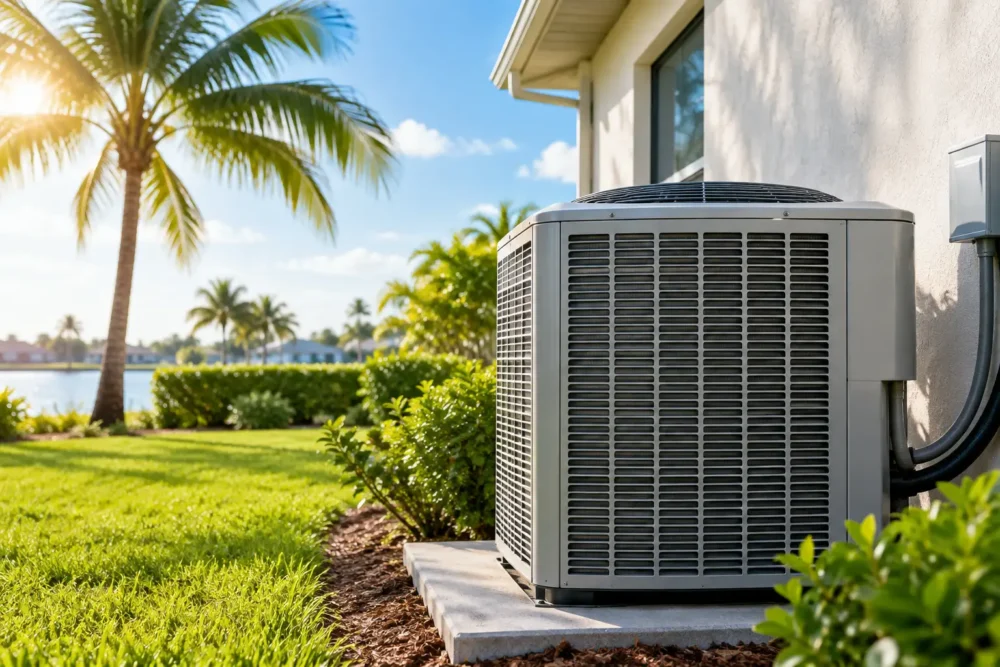
Keep the area around the outdoor unit clear of leaves, grass clippings, storage items, and overgrown landscaping. The condenser needs room to release heat. Do not cover or block it while it is operating, and never pressure-wash the delicate coil fins.
Your thermostat settings matter too. Setting the temperature dramatically lower will not cool the home faster. It only asks the system to run longer. A programmable or smart thermostat can help establish a consistent schedule, particularly for seasonal homes and rental properties, but it should be set up to match the household’s needs rather than left on a one-size-fits-all schedule.
Pay attention to changes in how the home feels. Hot bedrooms, weak airflow from one vent, musty odors, new rattling sounds, or water around the indoor unit are early warnings. Calling for service at that stage may prevent a minor issue from turning into an after-hours emergency.
Humidity, Air Quality, and Ductwork
Comfort is not just about the temperature on the wall. If humidity stays high indoors, the air can feel warmer than it is, and the home may develop musty odors or condensation. In some cases, the cause is an air conditioner that is not running long enough, has airflow problems, or needs a repair. In other cases, a whole-home dehumidification or indoor air-quality solution may be worth considering.
Indoor air quality is especially relevant for households concerned about dust, allergens, pet dander, or odors. Better filtration, air purification options, and duct cleaning can help in the right situation. These services are not interchangeable, however. Duct cleaning is most helpful when there is significant dust buildup, debris, or contamination in the duct system. It will not correct an improperly sized AC, a leaking duct, or a neglected filter.
Ductwork also deserves attention because conditioned air can be lost before it reaches the rooms that need it. Duct leaks, disconnected sections, crushed flex duct, and poor insulation can create uneven temperatures and higher energy use. A system may appear to be the problem when the real issue is the path the air takes through the building.
Why Professional Maintenance Pays Off
Preventive maintenance gives a technician the chance to spot developing problems before they interrupt your day. During a thorough visit, the technician can inspect electrical connections, test operating performance, check refrigerant-related concerns, clear the condensate drain, examine coils, assess airflow, and look for wear that could lead to a failure.
Maintenance does not guarantee that a part will never fail. Florida heat places real demands on every cooling system. What it does provide is a better chance of catching issues early, maintaining efficiency, and avoiding the surprise of an AC shutdown when your home needs cooling most.
For commercial properties, regular service is also a practical way to protect employees, customers, inventory, and business operations. A small comfort issue in an office, retail space, or rental unit can quickly become a productivity problem or a tenant concern if it is ignored.
Get Help Before Comfort Becomes an Emergency
If your system is blowing warm air, will not turn on, trips a breaker, has ice on the refrigerant line, or is leaking water, turn to a qualified HVAC professional promptly. Electrical and refrigerant repairs are not do-it-yourself jobs, and continuing to run a malfunctioning unit can sometimes cause more damage.
Treasure Coast Air Conditioning has served local homes and businesses since 1990 with experienced technicians, prompt same-day service, and 24/7 emergency response when comfort cannot wait. Whether you need a targeted repair, a maintenance visit, or guidance on replacing aging equipment, a clear assessment can take the uncertainty out of the next step.
Your air conditioner should not be something you worry about every time the forecast climbs. Address small changes early, keep up with routine care, and ask for professional help when the system tells you it needs attention. That approach keeps your space more comfortable when Florida weather is at its toughest.