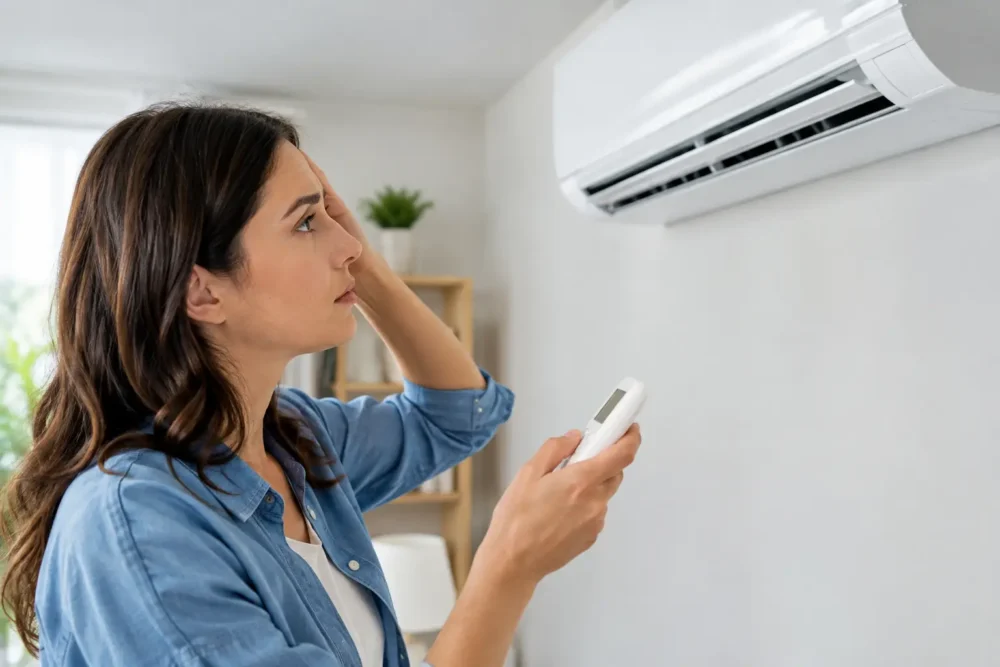
When an air conditioner not turning on leaves your Florida home warm and sticky, the problem can feel immediate. A system that was working yesterday may suddenly stay silent, fail to start at the thermostat, or make a brief sound before shutting down. Before the indoor temperature climbs, there are a few safe items you can check. After that, fast professional service is usually the right next step.
In Palm City, Stuart, Port St. Lucie, Jensen Beach, Fort Pierce, Hobe Sound, Jupiter, and nearby communities, air conditioning is more than a convenience. It protects sleep, indoor humidity, electronics, pets, and everyday comfort. Knowing what may be causing the issue can help you respond quickly without taking unnecessary risks.
Air Conditioner Not Turning On: Start With Safe Checks
Some AC no-start problems have a simple cause. Begin inside at the thermostat. Make sure it is set to Cool, not Heat or Off, and lower the temperature setting at least a few degrees below the current room temperature. If the thermostat screen is blank, replace the batteries if it uses them. A blank screen can also point to a tripped breaker, a power issue, or a wiring concern that needs a technician.
Next, check the electrical panel for a tripped AC breaker. If the breaker is in the middle position, switch it fully off and then back on once. Do not repeatedly reset a breaker. If it trips again, stop there. A recurring trip may indicate an electrical fault, a failing component, or a problem in the compressor circuit. Repeated resets can damage equipment and create a safety hazard.
Also look at the outdoor disconnect box near the condenser. It should be in the on position. This box is sometimes switched off after service, landscaping, storm preparation, or work around the home. If the disconnect is on and the unit still will not start, avoid opening electrical panels or attempting repairs yourself.
A Clogged Drain Line Can Shut Down the System
South Florida humidity creates a steady flow of condensation while an AC system runs. That water leaves through a condensate drain line. If algae, dirt, or debris blocks the line, water can back up into the drain pan. Many systems have a safety float switch that shuts off the air conditioner before overflow damages ceilings, walls, or floors.
A full drain pan, water near the indoor air handler, or a drain line that has stopped dripping can point to this problem. You may be able to see standing water, but the blockage is not always visible. Drain issues are common, especially during long cooling seasons, and they are a strong reason to schedule maintenance before the hottest months arrive.
A technician can clear the line, verify that the safety switch works correctly, and check for related concerns such as a dirty coil or poor drainage. This is often a straightforward repair, but ignoring it can lead to water damage and repeated shutdowns.
Common Reasons an AC Will Not Start
If the thermostat settings, breaker, and visible drain area appear normal, the cause may be inside the system. Air conditioners rely on several electrical and mechanical components to start properly. One worn part can prevent the whole system from coming on.
A failed capacitor is a common example. This component provides the electrical boost needed to start the outdoor fan motor and compressor. When it weakens or fails, you may hear a humming sound from the outside unit without the fan starting. Do not try to force the fan blades to move or handle the capacitor. Capacitors can retain a dangerous electrical charge even when power is off.
A damaged contactor, faulty relay, loose wiring connection, or failed thermostat can also stop the system from receiving the signal to run. Storms, power surges, corrosion, and years of Florida heat can all contribute to electrical wear. Outdoor equipment is built for the elements, but salt air and heavy humidity can be especially hard on components near the coast.
Other possible causes include a failed blower motor, compressor problem, low-voltage control issue, or a safety switch reacting to another system condition. These issues require proper testing. A professional diagnosis matters because replacing the wrong part wastes time and money while leaving your home without cooling.
Pay Attention to What the System Is Telling You
The details around a no-start issue can help a technician narrow down the problem. Notice whether the indoor blower runs while the outdoor unit stays off, or whether neither part of the system responds. Listen for clicking, buzzing, humming, or repeated attempts to start. A burning smell, smoke, sparks, or unusual heat around the equipment calls for immediate action.
Turn the system off if you smell burning, see water pooling around electrical equipment, or hear loud electrical buzzing. Do not keep cycling the thermostat in hopes that the system will catch. Frequent start attempts can place more strain on a failing motor, capacitor, or compressor.
If your AC turns on briefly and shuts down again, the system may be overheating, losing power, responding to a safety control, or struggling with airflow. A severely clogged air filter can restrict airflow enough to create performance problems and coil icing. Check your filter and replace it if it is visibly dirty, but remember that a new filter will not correct an electrical or refrigerant-related failure.
When to Call for AC Repair Right Away
In Florida, waiting for a convenient appointment is not always practical. Call for professional repair promptly when the home is getting hotter, the breaker keeps tripping, the thermostat has no power, or the system shows signs of an electrical problem. Families with young children, older adults, pets, or health concerns should treat a loss of cooling with extra urgency.
Commercial property managers should act quickly, too. A failed system can affect employees, customers, inventory, server rooms, tenant satisfaction, and business operations. The longer an indoor space remains hot and humid, the more difficult it can be to restore comfort and control moisture.
Treasure Coast Air Conditioning provides prompt same-day repair service and 24/7 emergency response for homeowners and businesses throughout Martin and St. Lucie counties. An experienced technician can inspect the thermostat, electrical connections, drain system, motors, capacitors, and other critical components to identify the actual cause of the failure.
Can Maintenance Prevent a No-Start Problem?
Maintenance cannot prevent every unexpected breakdown, but it can reduce the chance of many common failures. During a professional tune-up, a technician can inspect electrical components, tighten connections, test starting performance, clean the condensate drain, check the air filter, and look for early signs of wear. Catching a weak capacitor or corroded connection before it fails can spare you a hot afternoon without AC.
For seasonal residents and owners of vacation homes, routine maintenance is particularly valuable. A system may sit unused for stretches of time, then be expected to cool a home immediately upon arrival. Regular inspections help identify issues before they become an after-hours emergency.
If your unit is more than 10 years old and needs frequent repairs, a replacement discussion may also make sense. Repair is often the practical choice for a newer system with an isolated failed part. But an older unit with recurring electrical issues, declining efficiency, or major compressor trouble may cost more to keep running over time. A qualified technician can explain the options clearly so you can make a decision that fits your property and budget.
A quiet outdoor unit or a blank thermostat does not always mean the worst, but it should not be ignored in Treasure Coast heat. Check the safe basics, protect the equipment from further damage, and arrange professional help as soon as the system fails to respond. Restoring cool, dependable air quickly is the best way to protect your home, your family, and your peace of mind.