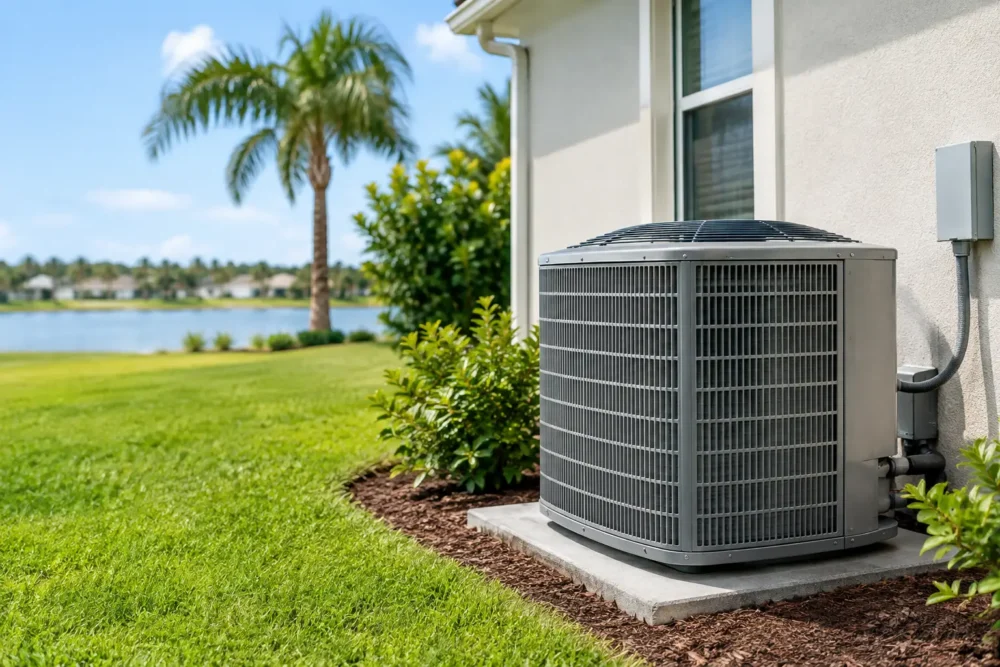
A Florida air conditioner does far more than cool the room. It runs through long heat waves, pulls moisture from the air, protects indoor comfort during humid nights, and often accounts for a major share of a home’s electric use. Choosing an energy efficient air conditioner Florida homeowners can depend on is not simply about finding the highest rating on a brochure. It is about selecting a system that fits the house, manages humidity, and receives the care it needs to perform when the temperature climbs.
For homeowners, seasonal residents, and property managers on the Treasure Coast, the right replacement can improve comfort immediately while reducing wasteful operation over the years ahead. The wrong choice can leave a home with hot rooms, sticky air, short cycling, and utility bills that never seem to ease.
What Makes an AC System Efficient in Florida?
Efficiency starts with the equipment, but it does not end there. New central air conditioners are measured by SEER2, a seasonal efficiency rating that reflects how efficiently a system operates over a typical cooling season. A higher SEER2 rating generally means lower energy use for the same amount of cooling, though the purchase price also rises as efficiency levels increase.
That trade-off matters. The highest-rated system is not automatically the best value for every property. A well-matched mid- to high-efficiency system may provide better real-world results than premium equipment that is oversized, poorly installed, or connected to leaky ductwork. A qualified HVAC professional should look at the whole home before recommending a replacement.
Florida also puts extra pressure on the system because cooling and dehumidification happen at the same time. When humid outdoor air enters through gaps, duct leaks, or frequently opened doors, the AC has more moisture to remove. That is why equipment features that support longer, steadier operation can make a noticeable difference in how comfortable the home feels.
Variable-speed and two-stage systems are often worth considering for this climate. Instead of operating at full output every time they start, they can run at lower capacity for longer periods when conditions allow. This can improve moisture removal, reduce temperature swings, and avoid the abrupt on-and-off operation common with older single-stage units. The best fit depends on the property, budget, occupancy, and existing duct system.
Right-Sizing Is More Important Than Bigger Equipment
A common replacement mistake is assuming a larger air conditioner will cool better. In Florida, an oversized unit can cool the thermostat area too quickly and shut off before it has removed enough humidity. The result may be a house that reaches the set temperature but still feels damp and uncomfortable.
An undersized system creates a different problem. It may run constantly during the hottest part of the day, struggle to maintain the desired temperature, and experience unnecessary wear. Neither situation delivers the efficiency a homeowner expects from new equipment.
Proper sizing should be based on more than square footage. A professional evaluation considers insulation, window exposure, ceiling height, home layout, occupancy, duct condition, and heat entering through walls and the roof. A waterfront condo, a shaded Palm City home, and a sun-exposed property in Port St. Lucie can have very different cooling needs even when their floor plans look similar.
Installation quality matters just as much. Refrigerant charge, airflow, electrical connections, drain setup, and duct connections all affect performance. A new system installed without careful testing can lose much of the benefit promised by its efficiency rating. This is one reason homeowners should choose an established, licensed contractor rather than treating an AC replacement as a simple equipment swap.
Compare Features That Affect Daily Comfort
When reviewing options for an energy-efficient replacement, focus on the features that affect how the system will live in your home – not just the largest number on the proposal.
A variable-speed indoor blower can improve airflow and help maintain more consistent temperatures. A compatible smart thermostat can make scheduling easier and may reduce unnecessary cooling when a home is vacant. For part-time residents and rental-property owners, remote temperature monitoring can provide valuable reassurance during the summer months.
Humidity performance deserves equal attention. Ask how the proposed equipment handles moisture at lower cooling loads, especially during rainy periods when the house feels clammy but the outdoor temperature is not at its peak. The answer may influence whether a single-stage, two-stage, or variable-speed system makes the most sense.
Noise can also be a practical consideration. Higher-efficiency outdoor units and variable-speed systems are often quieter than older equipment, but sound levels vary by model and installation location. This can matter near bedrooms, patios, neighboring properties, or condominium restrictions.
Finally, look at warranty coverage, expected maintenance needs, and the availability of service. Savings on paper mean little if a system is difficult to repair or does not have dependable local support. Treasure Coast Air Conditioning has served area homes and businesses since 1990, with experienced technicians available for installation, maintenance, and urgent AC concerns.
Your Ductwork Can Limit AC Efficiency
Even a highly efficient air conditioner cannot overcome major duct problems. Leaks in attic ductwork can send cooled air into unconditioned spaces, while gaps can pull hot, humid air into the system. Restricted, dirty, or poorly designed ducts can reduce airflow and force the equipment to work harder.
Before installing a replacement unit, have the duct system evaluated. In some homes, duct sealing, targeted repairs, insulation improvements, or cleaning can help the new equipment deliver the comfort and efficiency you are paying for. This is particularly valuable in older homes where the ductwork may have been altered over time.
Air filters are another small item with a large effect. A clogged filter restricts airflow, raises operating strain, and can contribute to frozen coils or reduced cooling. Check filters regularly and replace them according to the system’s needs and the home’s conditions. Homes with pets, frequent visitors, construction dust, or indoor air-quality concerns may need more frequent filter changes.
Maintenance Protects Your Investment
Florida’s long cooling season leaves little room for neglected maintenance. Dirt on coils, a blocked drain line, loose electrical components, and low airflow can gradually reduce efficiency long before the system stops working. By the time a homeowner notices warm air or an unusually high bill, the issue may have already placed extra stress on the equipment.
Professional preventive maintenance helps identify those concerns early. During a thorough visit, a technician can inspect performance, clean critical components, verify refrigerant operation, check electrical connections, assess drainage, and review airflow. This is also the right time to ask whether thermostat settings, filter habits, or duct issues may be affecting comfort.
For vacation homes and commercial spaces, scheduled maintenance is especially useful. An unoccupied property can develop a drain problem, humidity issue, or equipment failure without anyone noticing right away. Regular service provides a better chance to address problems before they lead to water damage, poor indoor air quality, or a complete breakdown.
Signs It May Be Time to Replace Your AC
Age alone does not decide whether replacement is necessary, but systems more than 10 years old often deserve a careful evaluation. Older equipment may use more energy, require discontinued or costly parts, and struggle with the humidity demands of a Florida summer.
Consider a replacement estimate if repairs are becoming frequent, rooms cool unevenly, the unit runs for long periods without improving comfort, or electric bills have risen without a clear explanation. Loud operation, repeated refrigerant concerns, water around the indoor unit, and poor humidity control are also reasons to have the system inspected promptly.
If your AC fails during severe heat, a repair may be the best immediate answer. But if the repair is expensive and the system has a history of issues, investing in a properly selected high-efficiency replacement can be the more sensible long-term decision. Financing options can also help make a planned replacement more manageable than repeated emergency repairs.
A Better Way to Plan an Efficient Replacement
Start with an in-home evaluation rather than choosing a unit based on advertisements or a neighbor’s recommendation. Share your comfort concerns, utility-bill goals, occupancy schedule, and budget. Mention rooms that stay hot, areas that feel humid, allergy concerns, and any past repair history.
Then compare recommendations based on total value: appropriate capacity, efficiency level, humidity control, installation scope, warranty protection, and long-term service. A trustworthy contractor should explain the options in plain language and help you understand where extra investment is likely to pay off.
A dependable air conditioner should keep your home cool without making you think about it all day. When your current system is falling behind, a professional evaluation can give you a clear path toward steadier comfort, healthier indoor air, and more sensible energy use through every Florida season.