
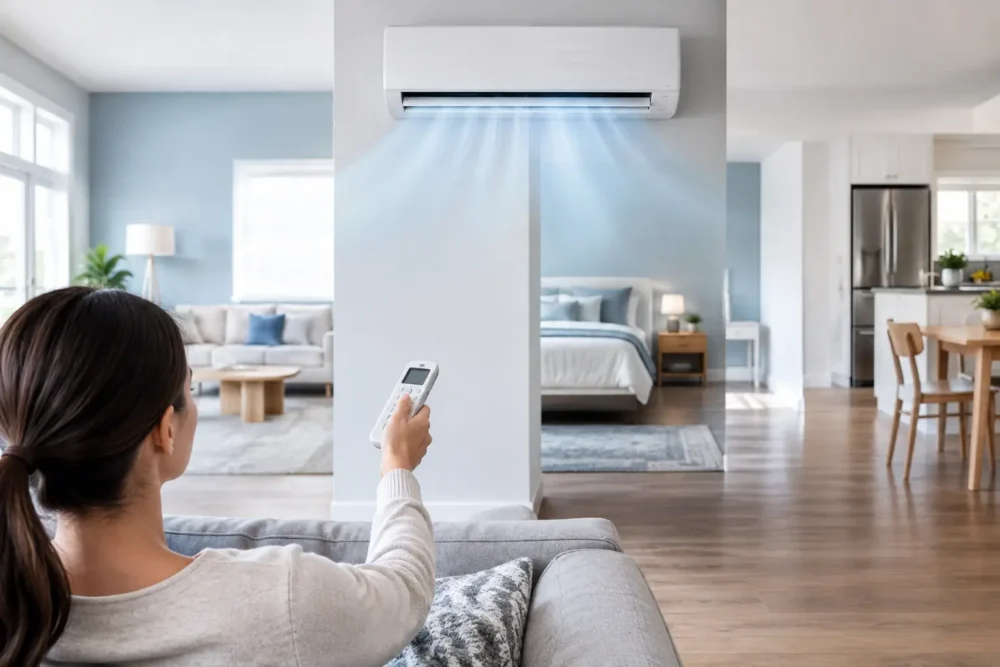
A bedroom that stays warm while the living room feels chilly is more than a minor annoyance in South Florida. It can disrupt sleep, raise utility bills, and make your home feel like the AC is never quite keeping up. Fixing uneven home cooling starts with identifying why conditioned air is not reaching every room the way it should.
Sometimes the solution is as simple as changing a clogged filter or opening a closed vent. Other times, the problem points to leaky ductwork, incorrect system sizing, a failing component, or humidity that is making one area feel warmer than it actually is. A careful inspection helps separate a quick adjustment from a repair that needs professional attention.
Why One Room Can Feel Hotter Than the Rest
Your air conditioner cools the home as a system. The thermostat, indoor equipment, outdoor unit, ductwork, vents, insulation, windows, and airflow all affect the result. When one part is out of balance, certain rooms can become noticeably warmer or cooler.
A common issue is airflow. If a room is far from the air handler, supplied by a long duct run, or located on a second floor, it may receive less cooled air than rooms closer to the system. A partially closed damper, crushed flex duct, disconnected duct section, or heavy buildup inside a duct can further restrict airflow.
Sun exposure matters, too. West-facing rooms, rooms above garages, and spaces with large windows often take on more heat during the afternoon. In coastal Florida, the combination of intense sun and high humidity can make these rooms feel especially uncomfortable even when the thermostat says the indoor temperature is acceptable.
Thermostat location can also be misleading. If the thermostat is in a naturally cooler hallway or near a supply vent, it may satisfy the system before a warmer bedroom, home office, or bonus room has had enough cooling time. The AC may be operating normally, but it is responding to the temperature in one location rather than the comfort level throughout the house.
Start With the Easy Checks
Before assuming your air conditioner is failing, check a few basic items. These steps are safe for most homeowners and may reveal an obvious issue.
Make sure supply vents are fully open in the warmer room and that return-air grilles are not blocked by furniture, rugs, curtains, or stored items. Supply vents deliver cooled air; return grilles pull indoor air back to the system. Both need clear space to do their jobs.
Next, inspect the air filter. A dirty filter restricts airflow across the indoor coil and can reduce the amount of air delivered throughout the home. It may also contribute to frozen coils and unnecessary wear on the equipment. Use the correct filter size and replace it on the schedule recommended for your household, especially if you have pets, frequent guests, or ongoing construction dust.
Check windows and exterior doors in the problem room. Damaged weatherstripping, gaps around frames, and blinds left open during the hottest part of the day can create a steady heat gain that the room’s airflow cannot overcome. Closing shades or using insulating window treatments can make a meaningful difference in rooms with strong sun exposure.
Avoid closing multiple vents in rooms you do not use. It seems logical to force more air toward warmer areas, but central HVAC systems are designed for a certain amount of airflow. Closing too many vents can increase duct pressure, reduce system efficiency, and strain equipment. One slightly adjusted vent may be reasonable, but widespread vent closing is not a reliable balancing strategy.
Fixing Uneven Home Cooling at the Source
If the basic checks do not improve comfort, the next step is to find the source of the imbalance. A trained HVAC technician can measure airflow, inspect duct conditions, evaluate temperature differences, and check whether the equipment is cycling and dehumidifying correctly.
Duct leaks and poor duct design
Ductwork is often the hidden reason behind hot rooms. In attics, garages, crawlspaces, and other unconditioned areas, small leaks can release valuable cooled air before it reaches the room. A disconnected or damaged duct can cause a dramatic drop in airflow.
Duct layout matters as well. A room addition, converted garage, or remodeled space may have been tied into an existing system without enough capacity or proper return airflow. The room may receive some cooled air, but not enough to handle its added square footage, electronics, occupants, and sun exposure.
Professional duct inspection can identify leaks, loose connections, crushed sections, and design concerns. Duct sealing or targeted repairs are often more effective than simply lowering the thermostat, which only makes the already-cool areas colder and wastes energy.
Dirty equipment or a developing repair need
An AC system that has not been maintained may struggle to move air and remove heat efficiently. A dirty evaporator coil, failing blower motor, weak capacitor, refrigerant issue, or frozen coil can all contribute to inconsistent cooling.
Pay attention to warning signs: weak air from several vents, ice on refrigerant lines, unusual sounds, water near the indoor unit, frequent cycling, or a system that runs for long periods without reaching the set temperature. These are not problems to ignore in Florida’s heat. Continuing to run a system with a mechanical issue can turn a manageable repair into a more expensive breakdown.
Incorrect system size
An air conditioner that is too small may run continuously and still leave far rooms warm during peak heat. An oversized system can create a different problem. It may cool the thermostat area quickly, shut off too soon, and fail to remove enough humidity. The home can feel clammy, and certain rooms may remain uncomfortable.
System sizing is not based on square footage alone. Proper recommendations consider insulation, window exposure, ceiling height, ductwork, occupancy, and the home’s layout. If you are replacing an older unit or adding conditioned space, ask for a load calculation rather than choosing equipment based only on the size of the existing system.
Humidity Can Make Cooling Feel Uneven
On the Treasure Coast, temperature tells only part of the story. High indoor humidity can make one room feel warmer and heavier than another, particularly bathrooms, bedrooms, and areas near exterior doors. If an AC system is short-cycling, oversized, poorly maintained, or experiencing drainage and airflow issues, it may not dehumidify effectively.
A properly operating air conditioner removes moisture as it cools. When humidity stays high, the same temperature can feel much less comfortable. A technician can determine whether the issue is related to equipment operation, airflow, infiltration from outside, or whether an indoor air-quality solution such as a whole-home dehumidifier makes sense.
When a Zoning Solution May Help
For a large two-story home, a house with a frequently used addition, or a property with major differences in sun exposure, one thermostat may not provide even comfort everywhere. Zoning uses separate controls and dampers to manage temperatures in different sections of the home. In some situations, a ductless mini-split can provide targeted cooling for a difficult room without rebuilding the entire duct system.
These options are not necessary for every hot room. If the real issue is a dirty filter or leaking duct, zoning would be an unnecessary expense. But when the home has persistent, layout-driven temperature differences, zoning or supplemental equipment can offer a practical long-term answer.
Do Not Ignore a Sudden Change
If one room has always been slightly warmer, the cause may be related to layout, insulation, or sun exposure. If a room suddenly becomes hot while the rest of the home is comfortable, treat that as a service concern. A duct may have come loose, a damper may have shifted, or the system may be developing an airflow or mechanical problem.
Treasure Coast Air Conditioning can inspect the full system, not just the thermostat setting, to pinpoint what is affecting comfort. For homeowners in Stuart, Jensen Beach, Port St. Lucie, Fort Pierce, Hobe Sound, Hutchinson Island, and Jupiter, prompt professional service can help restore balanced cooling before a small issue becomes a no-cool emergency.
A comfortable home should not require everyone to gather in the one room that feels cool. If simple checks have not solved the problem, schedule an HVAC evaluation and get clear answers about the airflow, equipment, and humidity conditions affecting your home.