When cooling costs climb, rooms stay humid, or an older system needs frequent repairs, HVAC retrofit examples can help property owners see a better path forward. A retrofit is not always a complete AC replacement. It can be a targeted improvement that solves a comfort problem, reduces strain on existing equipment, and helps a home or business operate more efficiently in Florida’s demanding heat.
For a homeowner, the right retrofit may be as simple as correcting leaking ductwork or adding a smart thermostat. For a commercial building, it may involve upgrading controls, improving ventilation, or replacing outdated equipment in stages. The best choice depends on the age and condition of the system, the property layout, indoor air concerns, and the budget available.
7 HVAC Retrofit Examples That Improve Comfort
1. Replacing an Older Thermostat With a Smart Thermostat
A programmable or smart thermostat is one of the most practical HVAC upgrades for a system that still has useful life left. Older thermostats can be inaccurate, difficult to program, or unable to manage modern high-efficiency equipment properly.
A properly installed smart thermostat gives property owners more control over cooling schedules and temperatures. This is especially helpful for seasonal homes, rental properties, and offices that are not occupied around the clock. Some models can also send alerts when temperatures rise unexpectedly, which can be valuable when a vacant South Florida home is at risk of heat and humidity damage.
This retrofit will not fix a failing compressor, refrigerant leak, or undersized system. It works best when the equipment is operating properly but needs better control.
2. Sealing and Repairing Leaky Ductwork
Duct leaks are a common reason a home feels unevenly cooled even when the AC runs constantly. In attics, garages, and crawlspaces, damaged or disconnected ducts can release conditioned air before it ever reaches the rooms that need it. The system then runs longer, placing extra wear on the equipment and raising utility bills.
Duct repair can include sealing gaps, reconnecting loose sections, replacing crushed flex duct, and improving insulation around ducts exposed to attic heat. This kind of retrofit is often a smart first step when certain rooms are consistently warm, airflow is weak, or dust seems to collect quickly around vents.
Ductwork improvements can also make a new system perform as intended. Installing high-efficiency equipment without addressing major duct problems can leave comfort issues unresolved.
3. Upgrading the Air Handler or Outdoor Unit
Sometimes only one major piece of an HVAC system has failed. An air handler may have corrosion, a failing blower motor, or a damaged coil, while the outdoor condenser remains in reasonable condition. In other situations, the outdoor unit may be the source of repeated breakdowns while the indoor equipment is newer.
This type of retrofit requires careful evaluation. HVAC equipment is designed to operate as a matched system, so replacing only one component is not always the right answer. A mismatched indoor and outdoor unit can reduce efficiency, affect dehumidification, and create warranty concerns.
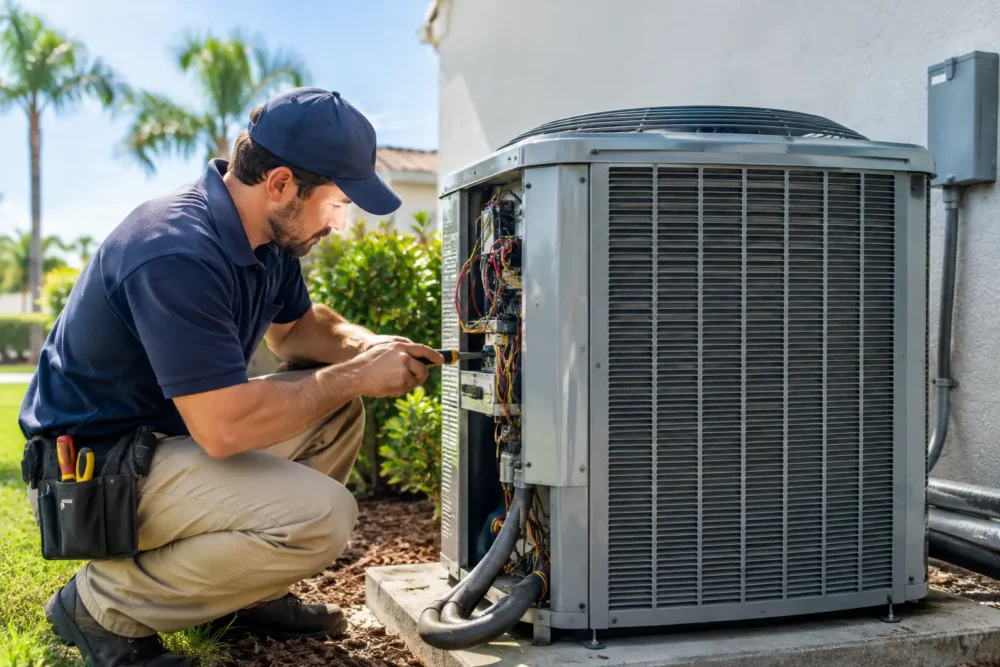
A qualified technician should check the equipment’s age, refrigerant type, capacity, condition, and compatibility before recommending a partial replacement. In some cases, a targeted component upgrade is sensible. In others, replacing the complete system offers more dependable long-term value.
4. Adding Better Filtration and Indoor Air Quality Equipment
Florida’s humidity, pollen, dust, and long cooling seasons can make indoor air quality a real comfort issue. If family members experience allergies, persistent odors, excess dust, or stale indoor air, an air-quality retrofit may be more useful than simply lowering the thermostat.
Options can include upgraded filtration, UV light systems, air purification equipment, and humidity-control solutions. The right choice depends on the issue being addressed. A stronger filter may help capture more airborne particles, but it must be selected carefully. A filter that is too restrictive for the system can reduce airflow and create unnecessary strain.
For homes with recurring musty odors or high humidity, the source of the moisture should also be investigated. Air-quality equipment works best alongside a properly sized, properly maintained cooling system that can remove moisture effectively.
5. Installing Zoning Controls for Uneven Temperatures
Many homes and commercial spaces have areas that are harder to cool than others. Upstairs bedrooms may stay warm, sun-facing rooms may overheat in the afternoon, or unused spaces may receive the same cooling as busy areas. Zoning divides a property into separate temperature-controlled areas using dampers, sensors, and compatible controls.
A zoning retrofit can improve comfort by directing cooling where it is needed most. It may be a good option for larger homes, homes with additions, multi-story layouts, or buildings with different occupancy patterns.
However, zoning is not a universal fix. The duct system, equipment capacity, and control setup must support it. Poorly designed zoning can create airflow problems, so this improvement should be planned by an experienced HVAC professional rather than treated as a simple add-on.
6. Improving Ventilation in a Commercial Space
Commercial HVAC retrofit examples often focus on ventilation and control. An office, retail store, medical practice, or rental property may have a system that cools adequately but does not deliver fresh air effectively or maintain consistent comfort throughout the building.
A commercial retrofit may involve adjusting outdoor-air intake, replacing worn exhaust equipment, adding controls that respond to occupancy, or upgrading ventilation in areas with moisture or odor concerns. These improvements can support employee comfort, customer experience, and proper operation of the building.
The correct approach depends on the building’s use and existing equipment. A restaurant, office, salon, and medical facility each have different ventilation demands. An on-site evaluation is the best way to determine whether controls, duct modifications, or equipment replacement will provide the strongest result.
7. Replacing an Aging System With High-Efficiency Equipment
A full system replacement is the most significant retrofit, but it is often the most practical option for equipment that is more than 10 years old, breaks down repeatedly, uses outdated refrigerant, or cannot keep up with Florida heat.
Modern systems can offer improved energy performance, quieter operation, stronger humidity control, and more dependable cooling. The key is correct sizing. Bigger is not automatically better. An oversized AC system can cool too quickly and shut off before removing enough moisture, leaving the home cool but clammy. An undersized system may run continuously and struggle during the hottest part of the day.
A professional replacement recommendation should account for square footage, insulation, windows, duct condition, occupancy, sun exposure, and the property’s specific comfort concerns. Financing can also make a planned replacement easier to manage before an aging system fails during a heat wave.
How to Choose the Right HVAC Retrofit
Start with the problem, not the product. If one bedroom is hot, investigate airflow and ductwork before assuming the entire system needs replacement. If indoor humidity is high, check system performance, drainage, insulation, and sizing. If repair costs are becoming frequent, compare the cost of continued repairs against the reliability and efficiency of new equipment.
A good HVAC evaluation should explain what is causing the problem, which improvements are worth considering, and where a repair may be enough. Property owners deserve clear options, especially when a decision affects comfort, operating costs, and the life of expensive equipment.
Treasure Coast Air Conditioning helps homeowners and businesses evaluate repair, retrofit, and replacement options with experienced local service. Whether the need is urgent or part of a planned upgrade, the goal is the same: dependable cooling, healthy indoor air, and comfort that holds up through every Florida season.